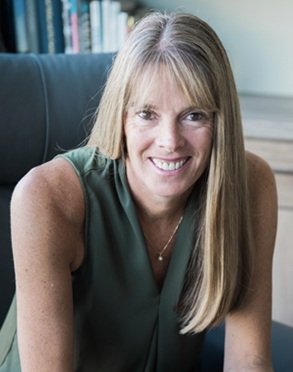
 Heidi Yewman
Dumb Girl: A Journey From Childhood Abuse to Gun Control Advocacy
December 4, 2025
4 PM PDT | 5 PM MDT | 6 PM CDT | 7 PM EDT
Sign Up Here
Writing my memoir was a journey that began long before I ever put words on a page. For most of my life, I didn’t have the language or the courage to talk about my abusive childhood. I grew up in a home where anger and violence were the norm and survived by staying silent and small. Decades later, after the Columbine High School massacre where I’d graduated, I felt something stir in me. I didn’t know it at the time, but stepping into gun violence prevention work would become the path to my healing. Advocacy gave me purpose, a voice, and a kind of strength I never knew I had.
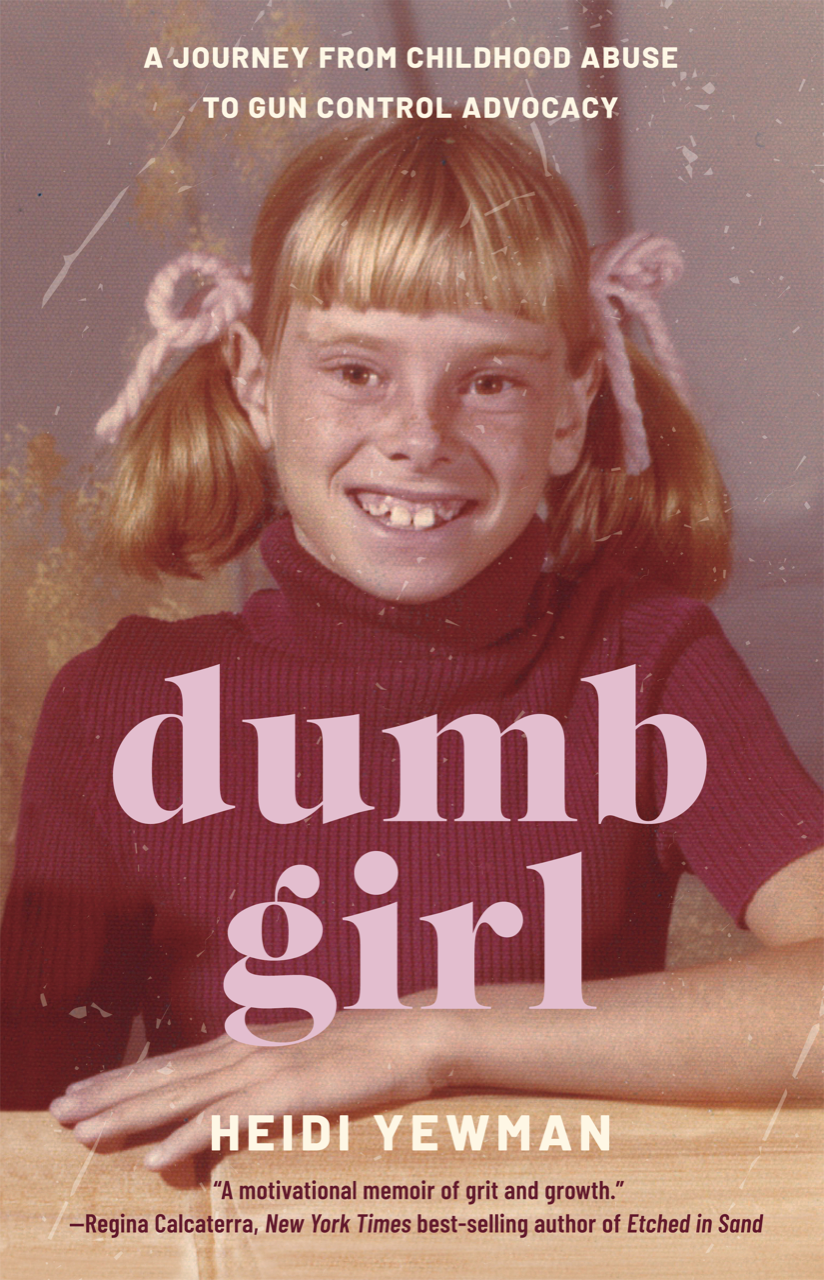 When I began writing Dumb Girl, I started with the stories of my childhood—the violence, the silence, and the shame. But those stories alone didn’t show who I had become. Much of my advocacy work had been about telling other people’s trauma stories, stories of loss, grief, and survival. It was safer to stand beside their pain than to face my own. Eventually, I began writing about my activism, and that’s when I saw the connection. Writing both narratives and braiding them together helped me see the full picture of my transformation.
What I discovered is that healing doesn’t always look like healing when it’s happening; it often looks like hard work, or showing up for others, or speaking out even when fear takes over. Sharing my story also came with fallout, especially from my family, but even that became part of the healing, a reminder that truth-telling has consequences and power. My hope is that other memoirists, especially those writing about trauma, will see that telling your story isn’t just about revisiting the past, it’s about recognizing how far you’ve already come.
What motivated me to write my memoir:
- Why I chose to braid two storylines and how weaving different parts of my life together brought deeper meaning to my memoir.
- How writing, publishing, and even publicizing my memoir became a way to process my abusive past and helped me move toward healing.
- How I discovered through writing that advocacy was where my real transformation happened—the place I found my voice, confidence, and power.
- The impact my memoir had on my family before and after it was published.
Bio
Heidi Yewman is a gun violence prevention advocate, author, and documentary filmmaker. She’s best known for her international award-winning film, Behind the Bullet and her first book, Beyond the Bullet, both of which explore the impact of gun violence on individuals and communities. A graduate of Columbine High School, she has dedicated her career to gun violence prevention, including serving on the board of Brady: United Against Gun Violence. As a survivor of childhood physical and sexual abuse, Heidi is driven by a commitment to reducing trauma and promoting public safety through education and advocacy.
Her writing has appeared in Newsweek, USA Today, Ms. Magazine, Huffington Post, The Daily Beast, The Seattle Times, The Oregonian, and The Denver Post.
Learn more about Heidi’s debut memoir, Dumb Girl at heidiyewman.com.


Will this virtual book club meeting be recorded?
Hi Anette,
Yes, this event will be recorded! As long as you are signed up for it, you will receive the recording via email following the event.
Kind Regards,
Erica
NAMW